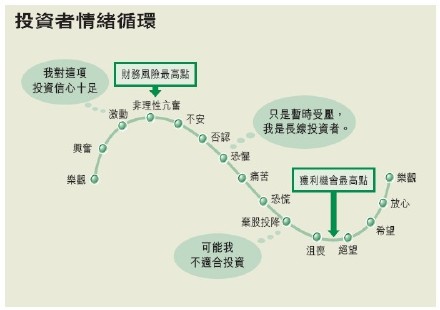
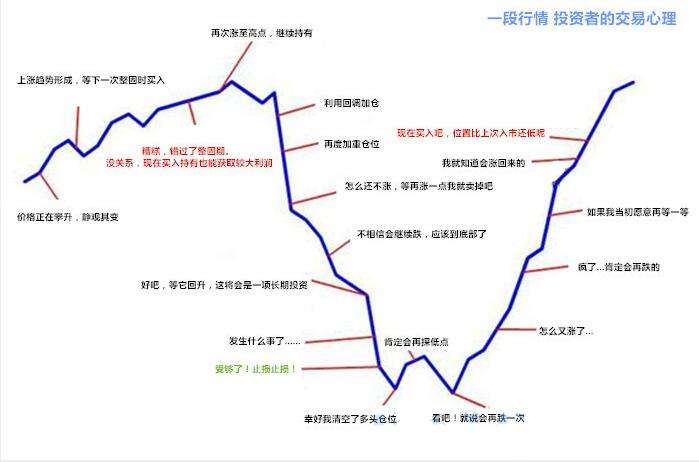
An important factor that causes most traders to lose money is not ignorance, but negative emotions in trading. Many people are always affected by their personal emotions in actual operations. When they see the market jumping, they blush, their heartbeats and blood pressure rise, and their minds go blank. In operation, they either follow the market to chase ups and downs, or follow their intuition to find the top and buy the bottom. They are always random If you make orders, you will end up losing money in a mess.
Novices who first enter the market will inevitably encounter two commonplace psychological traps, greed and fear. What is greedy is to get a profit as soon as possible, and what is fearful is that you are afraid of missing the opportunity to make a profit. The most difficult thing for novice traders to overcome is to rush to place an order to participate in the market, and the most difficult thing to learn is to wait with short positions . Either they can't wait for the trading signal that matches their own technical strategy, or they will have the illusion of self-fitting, and feel that the current price state is very similar to their trading signal. Under the domination of greed and fear, traders' ability to judge and analyze The ability dropped sharply, and I started to place random orders, and continued to lose money.
When a loss occurs, the trader first regrets that he should not have placed the order, and then becomes nervous and anxious. If the transaction produces a profit, the trader often has no time to rejoice, and directly enters the tension and anxiety, fearing that the market will pull back and take profit, which is more uncomfortable than the loss, so the trader is eager to close the position to lock in the profit. In addition, I found that sometimes the mood in the two states of bearing a large loss and missing a large profit is the same, that is revenge, revenge on the market, and revenge on yourself. Because of my own mistakes, I took a big loss or missed a big profit. I felt that I was tricked by the market, so I immediately went back to the market to get back my losses and missed profits. In the end, I was slapped in the face by the market, which expanded my losses instead. .
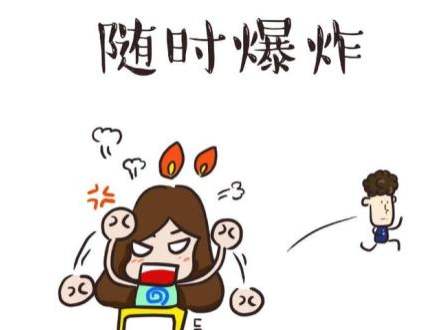
There are also emotional influences that come from the outside world. Most traders are not full-time traders. They often still go to work, do housework, take care of children, and socialize. They secretly watch mobile transactions during the day, and worry about their wives and children at night, and they are afraid that they will be late for work the next day. . When you have just made a profit on an order that is in time for the European market, and you are about to continue to observe, the boss suddenly urges you to entertain customers. When you have a heavy position in the late order and are at the critical point of profit and loss, your wife suddenly calls you to go How do you keep your peace of mind and your head while changing a baby's diaper? You can only suppress your anger and rush to do those mundane things. You either close your position indiscriminately, or wait until you come back from work to see that the list is swept away and the stop loss is even liquidated.
To try to avoid emotional impact in trading, I think we should start from three aspects:
First, study trading techniques in depth , try to be as precise and clear as possible with your trading signals, and avoid ambiguous entry and exit conditions. The opposite of emotional trading is mechanical trading, and clear trading signals are the first condition for mechanical trading;
Second, formulate and strictly enforce trading discipline . Discipline is an important means to fight against emotions. For example, do not open positions without clear trading signals, resolutely do not participate in trend trading, and stop trading on the same day after a loss order occurs, etc. Formulate targeted trading disciplines based on your own trading characteristics and strictly implement them, so as to avoid large-scale losses and liquidation to the greatest extent;
Third, plan your transactions reasonably . If you are an ordinary office worker and don’t have time to keep an eye on the market, then you can either do super short-term trading and only trade within a fixed time period every day that you can not be disturbed, half an hour or fifteen minutes, Force yourself to only trade for this period of time, or use extremely light positions for long-term positions, take the daily line as the basic unit for orders, set up a stop-profit and stop-loss point, and change it to a trailing stop-loss after starting to make a profit. Just pay attention to the key time points such as the opening and closing of the big market.



 Add
Add


