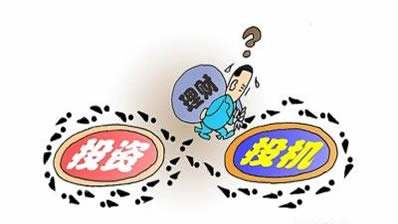
The essential difference between investment and speculation lies in the risks taken. The type and size of investment risks are generally predictable and controllable, and the possibility of losing all the principal is very small. At the same time, many investment activities are time-limited. It can only be borne to the end; while the time, type and size of speculative risks are unpredictable and uncontrollable, the possibility of losing all principal and even debts is very high, but speculative risks can be avoided, and speculators have the initiative. You can choose not to participate in risk events. Even if you participate, you can withdraw at any time before you lose everything.
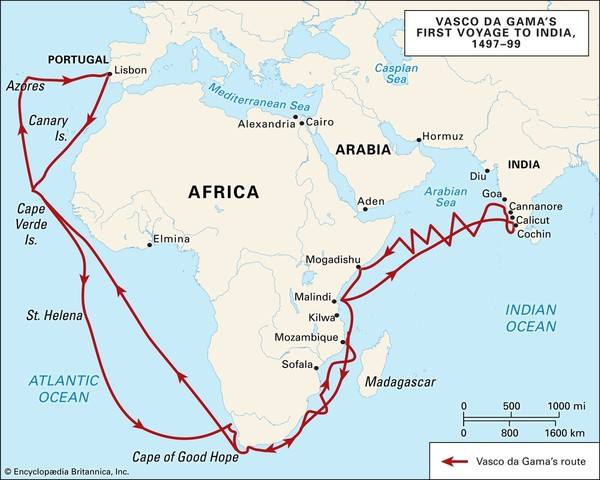
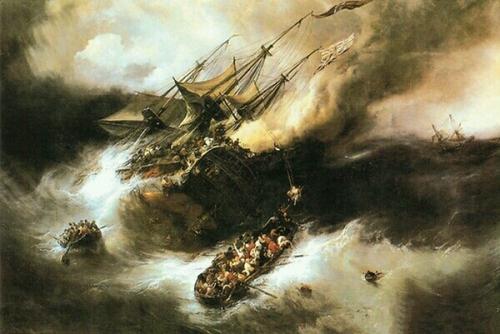
It is precisely because the risk of speculation is so great that it can exceed the tolerance of any trader, and the possible benefits it brings are also incalculable, which is the charm of speculation. To tell a real story, because of the blockade of the Ottoman Empire, Western Europeans can only travel by sea, starting from Western Europe, going south along the west coast of Africa, crossing the Cape of Good Hope, crossing the Indian Ocean, and traveling thousands of miles to East Asia to traffic Asian spices. They suffered from scurvy, plague, storms, pirates and other accidents along the way. Often only more than half of a group of merchant ships could return, and only three or four out of ten crew members remained. However, there are still a large number of young people applying for sailors, and there are a large number of wealthy businessmen and nobles who either solely proprietor or raise funds to provide capital for the fleet. Because huge risks bring huge benefits: At that time, when a nutmeg was shipped from Asia to Europe, the price was the highest by 60,000 times! Compared with it, scurvy, storms, pirates, and loss of everything are trivial.
The so-called stock is developed from the spice trade, because financing a fleet often requires several wealthy businessmen to participate together, so there is a share certificate, which can also be transferred and traded, and can be sold at a good price before the sailboat returns. If the fleet cannot come back, it will become waste paper. Investing in such risky trading activities is itself a kind of speculation. In speculative transactions, the cost of goods for the subject of the transaction is negligible, and the main transaction costs are used to combat transaction risks. The fleet needs money to deal with scurvy, storms, pirates, etc. It is precisely because of the randomness, hugeness and uncontrollability of speculative risks that the absolute scarcity of trading products is caused. The trader who can successfully survive the risk and finally deliver the goods has absolute pricing power, and he can sell as much as he wants.
Although the foreign exchange speculative transactions we do do not need to actually transport foreign exchange somewhere, the principle is the same. Our goods are trading positions, and the ones that can make huge profits must be the most scarce positions. Why do most people in the market tend to go short when they are bullish? It is because only when most people hold long positions will they be bullish, and this is when a large amount of bullish funds are deposited into the market, and the funds ready to go short become scarce resources, and the slightest disturbance will cause bullish investors to be bullish. trampled and reduced to slaughtered lambs.
This also explains why many people will encounter the phenomenon that the market starts to make great strides after being wiped out or taking profit at a small profit. The risk of our position is the shock of the reverse and disorderly market. The reason why the correct position in the market is always a small number is because most traders can hardly survive the risk event even if they get the correct order, just like many sailing ships in the great sailing era. Even if you get the precious nutmeg, you won't be able to return to Europe. As long as speculators can control trading risks, profits will come naturally.
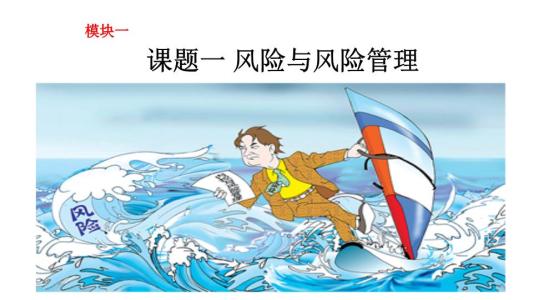
Many people have heard the saying that trading only needs to do a good job in fund management and risk management, which is speculative trading. Just as a seasoned veteran sailor knows when a storm is coming, a veteran trader should also know when and how much risk is most likely to occur. Risk is a trader's friend. If you don't participate in risk, you can't make a profit. If you can't control the risk, you will suffer huge losses. Traders should always know how much risk they can take and how much risk they should take, and only participate in those trading opportunities that meet their own risk control level. The cost of positions and handling fees is always negligible in speculative trading, because the benign stop loss generated by controlling risks is your biggest transaction cost. The reason why many traders find it difficult to stop loss is because they regard stop loss as a loss , Compared with the possible gains, these stop loss costs are really not much.



 Add
Add


