Leonardo Bigollo Pisano, also known as Fibonacci, is considered one of the greatest European mathematicians of the Middle Ages (AD 476 - 1453). As a child, his extensive travels in the Mediterranean with his merchant father exposed him to many different arithmetic and accounting techniques. He laid the foundations for business arithmetic and financial mathematics, but today he is primarily known for his Fibonacci numbers and sequence.
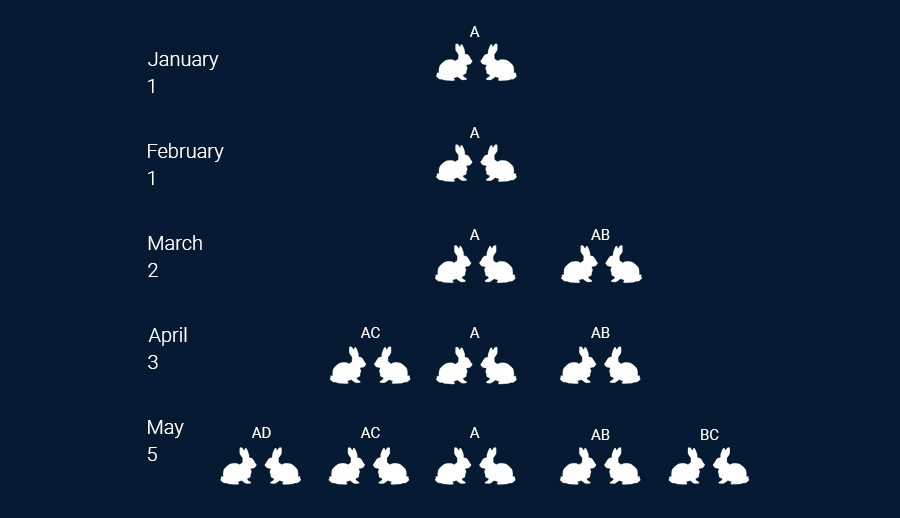
In his book "The Book of Computing" (Liber Abaci), he posed a rabbit problem. If a pair of rabbits are placed in a cage, each pair of rabbits will give birth to a new pair of rabbits every month. How many rabbits can be produced (each pair of rabbits can only breed for the first time after two months). The calculation of the above problem yields the Fibonacci sequence.
Fibonacci sequence
The sequence is obtained by adding the previous two numbers to get the next number:
To get the next Fibonacci number in the sequence, add 233 to 377 to get 610.
What's important about this pattern is that the ratio of any number in the sequence to the previous number tends towards 1.618. This number is colloquially known as the golden ratio and is represented by the Greek letter φ.
geometry;
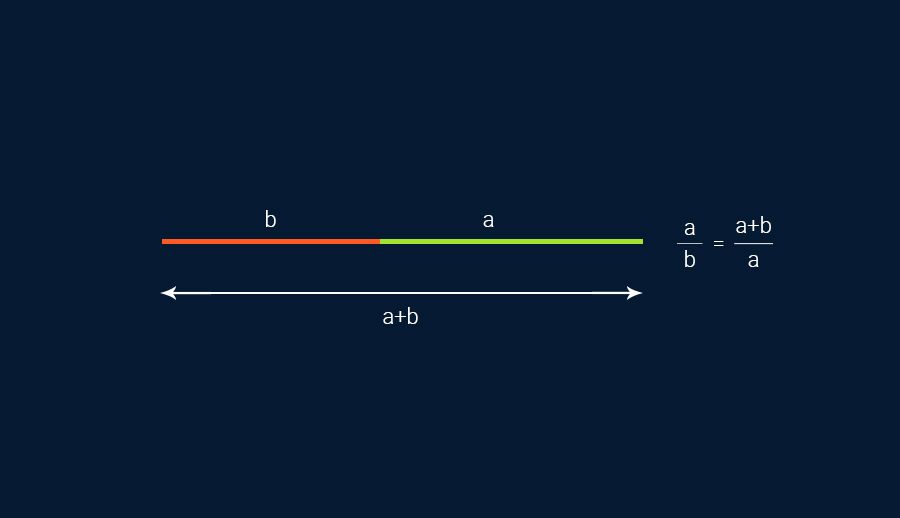
In geometry, there exists a point on a line:
a/b=a+b/a = φ = 1.618
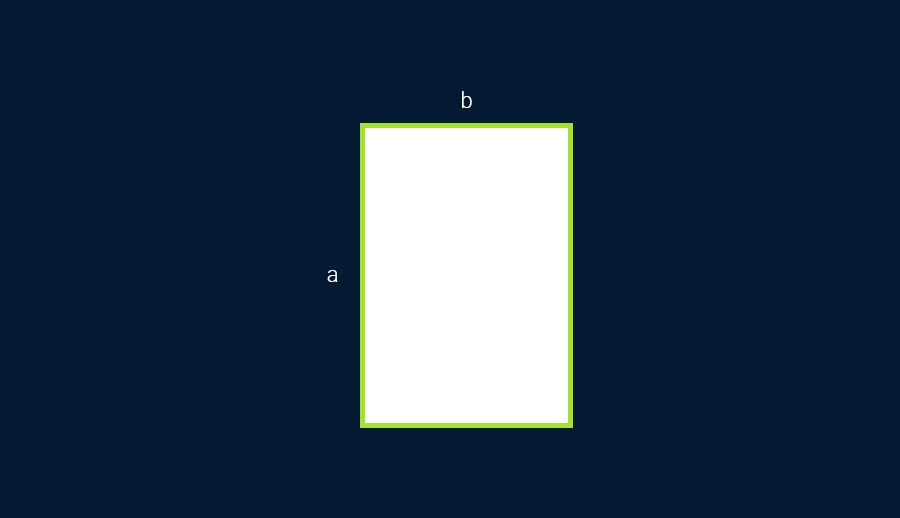
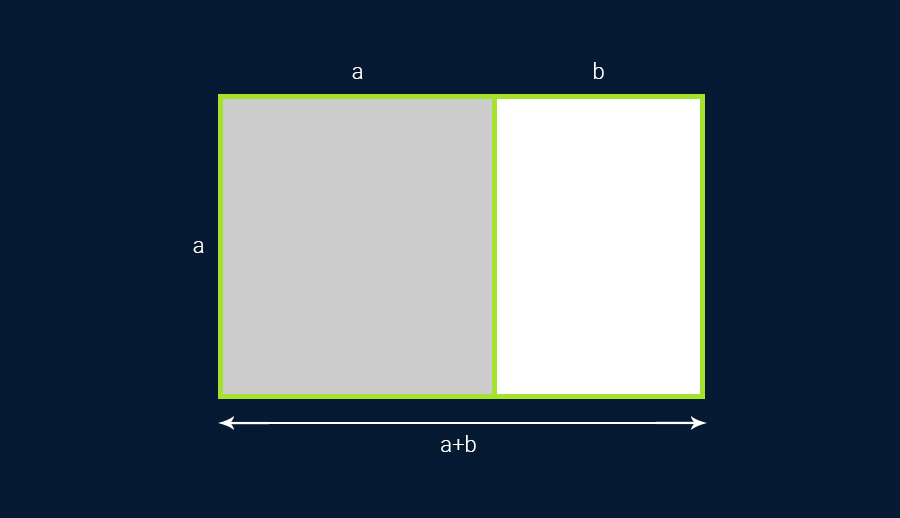
Again, this ratio exists for the golden rectangle of a (long side) and b (short side):
When placed next to a square of side length a, the ratio of the longest side (a+b) to the shortest side (b) is the same as the ratio of the longer rectangle's side (b) to the shortest side (b) , which is the golden section point (1.618).
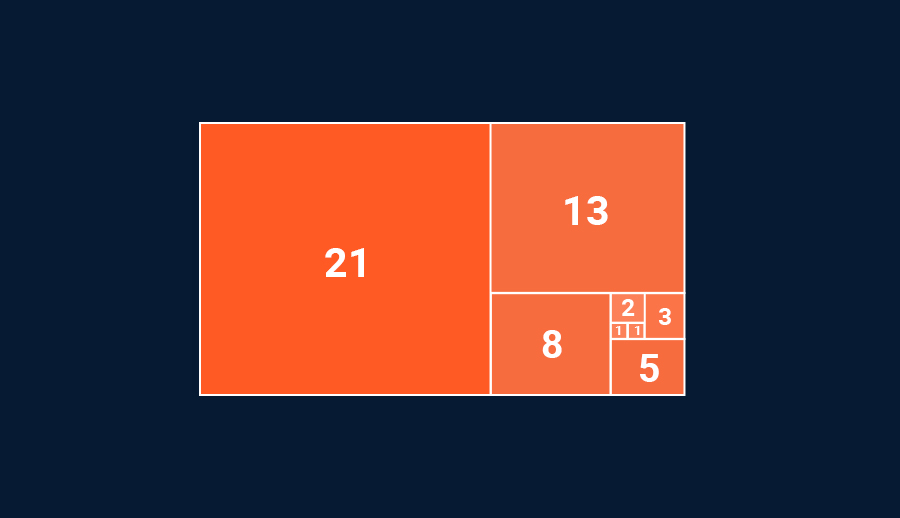
Similarly, Fibonacci rectangles are made of squares whose sides are Fibonacci numbers.
Architecture
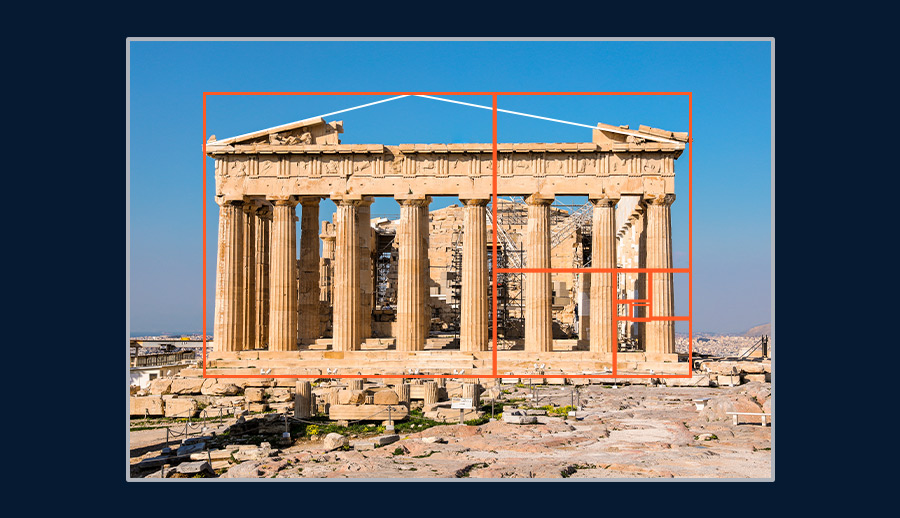
The golden ratio (also known as the golden section) appears not only in geometry, but also in architecture. The ancient Greeks, including the Greek sculptor Phidias, believed that a ratio of length to width of about 1.618 was more pleasing to the eye.
math
In mathematics, the golden ratio has the following unique properties:
1/Φ +1=Φ=1/(Φ+1)
Φ2 =Φ+1
Φ2 – Φ -1 =0 (solve the equation to find Φ=1+sqrt(5) / 2)
nature
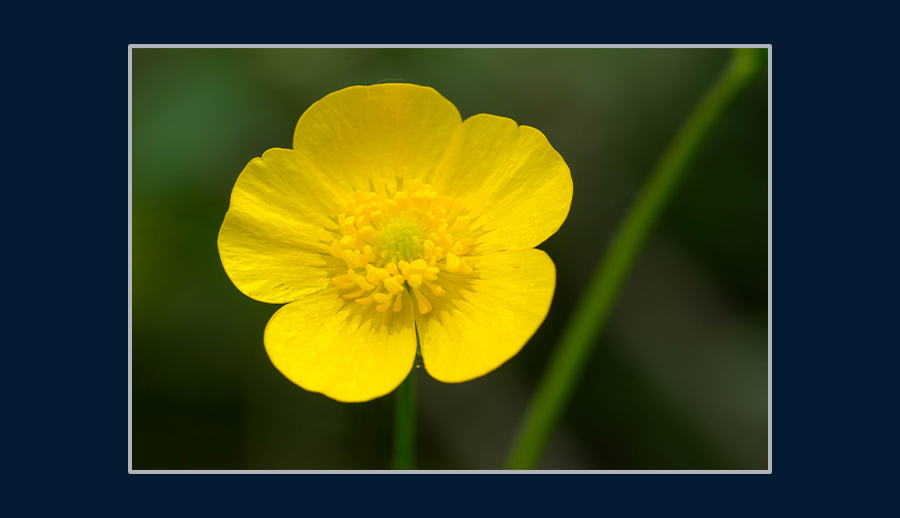
Surprisingly, flowers and plants also follow the Fibonacci sequence. For example, butterfly lilies have three petals.
Buttercups have five shiny yellow petals.
There are also flowers with 8, 13, 21, 34 petals and so on.
human body
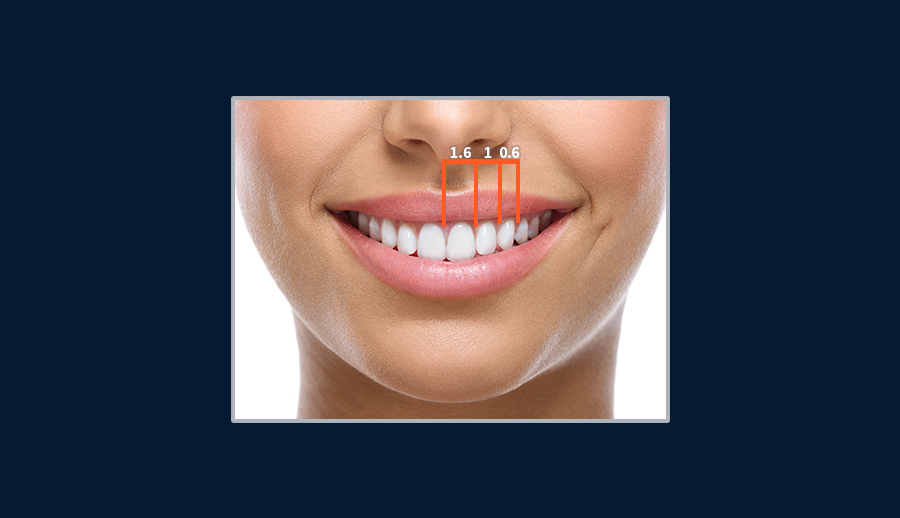
It is also present in the human body. For example, the width of incisors and lateral incisors has a golden ratio.
Fibonacci expansion
As we can see, dividing one number in the sequence by the previous number will give 1.618. Also, dividing a number in the sequence by the number two digits lower gives 2.618. Also, dividing a number in the sequence by the number three digits lower gives 4.236. These ratios are also known as Fibonacci expansions.
Financial market
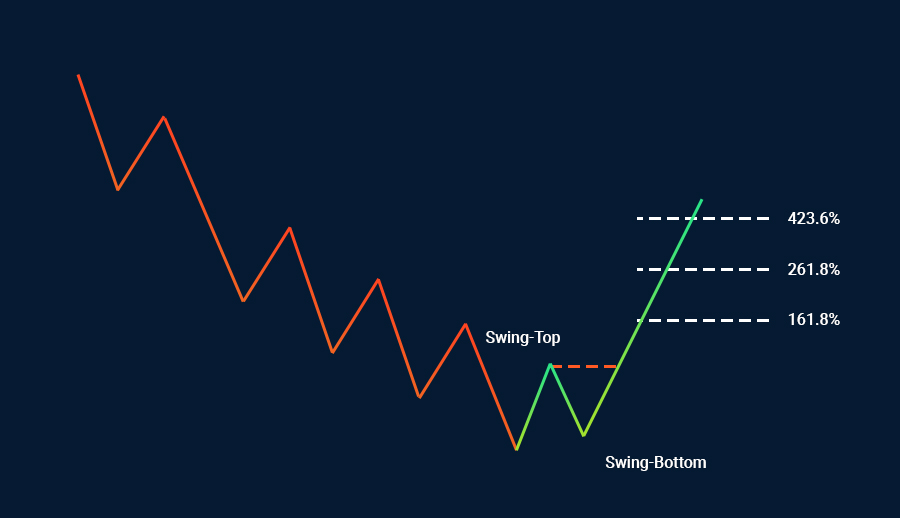
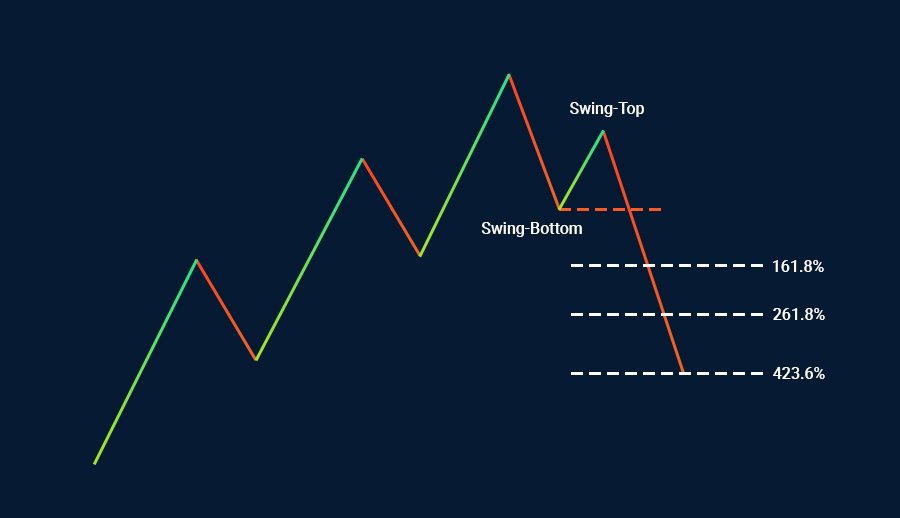
Fibonacci ratios are also applicable in financial markets. Fibonacci ratios, or more specifically extension levels, can be used to help estimate potential price targets and take profit and stop loss levels.
For example, by taking the Fibonacci tool at the top of a price movement and dragging down to the bottom of the swing, three price targets can be calculated: 1.618, 2.618, and 4.236. These levels would be potential targets on the upside.
Conversely, applying the Fibonacci tool to a downtrend also calculates three potential profit targets. Add the Fibonacci tool at the bottom of the price movement and drag to the top to calculate the corresponding price targets: 1.618, 2.618 and 4.236.
stop loss
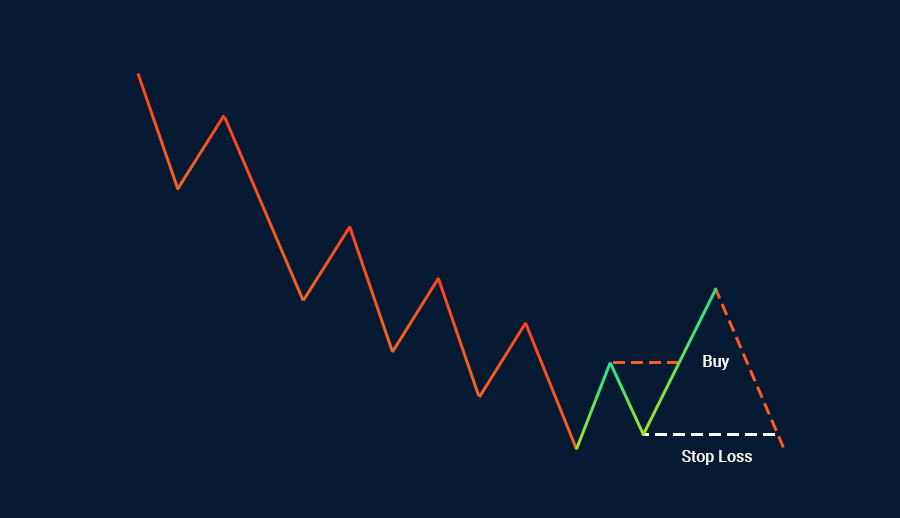
When it comes to Fibonacci take profit levels, investors should remember that markets don't always move in the expected direction. Sometimes they move in the opposite direction, so traders should reduce the risk of losing money by setting protective stops. In this way, the risk of loss can be calculated in advance. For example, after buying, one would expect the market to go higher. Of course, this is not always the case. Experienced traders know this all too well, which is why they place protective stops in case the unexpected happens.
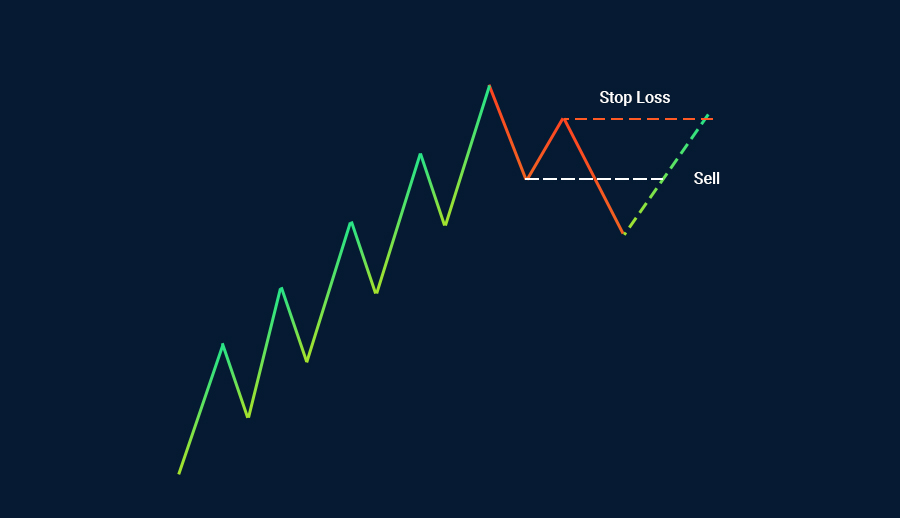
Also, after selling, traders should realize that nothing in the market is 100% certain, so it is strongly recommended to place a stop loss to reduce the risk of loss.
Elliott Wave
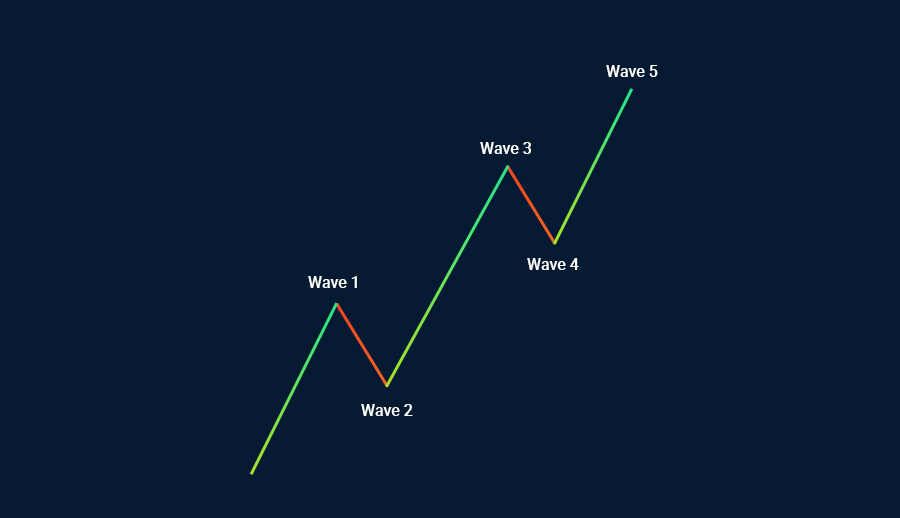
Fibonacci extensions are also an important principle of the Elliott Wave Theory. You may recall that according to Elliott's theory, there are five waves in the market.
The ratio of wave 3 to wave 1 could be around 1.618, 2.618 or 4.236. This is the wave that most traders focus on. why? Simply put, because according to this theory, wave 3 will not be the shortest wave, it will usually be the longest of waves 1, 3, and 5.
in conclusion
The Fibonacci sequence and its corresponding ratios are ubiquitous in life, from mathematics to nature, from architecture to the human body. While some may consider the existence of these ratios to be a coincidence, it is acceptable practice for at least some traders to use Fibonacci extensions when estimating underlying price and profit or loss targets.



 Add
Add


