Support and resistance are a fundamental concept to almost all trading strategies. There is a profound psychological background and market behavior behind them. Even if you don't understand the reason, most traders agree that it makes support and resistance a mechanism similar to self-fulfillment.
Changes in the cyclical trend caused by the cross-action of the anxiety of buyers and sellers often occur near the support line and the resistance line. However, everyone's understanding and application of support and resistance are different. If you do not have a unified standard for drawing support and resistance lines, then you are likely to get lost in the sea of technical analysis.
Trendlines: sloped trendlines and horizontal trendlines
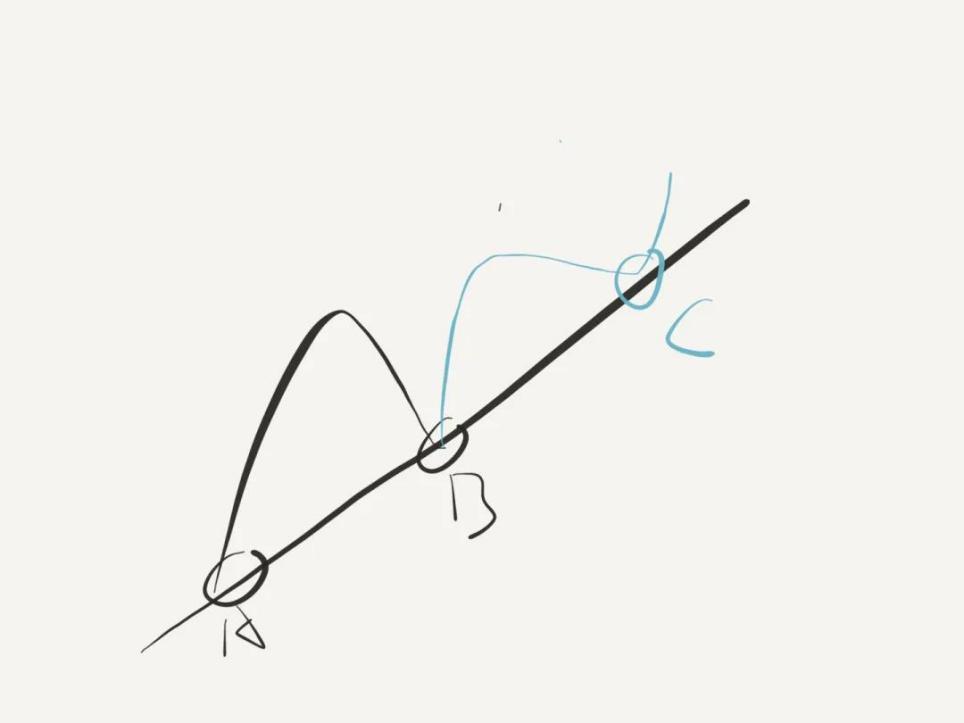
Connect any two lows and you get a trendline.
But a meaningful trend line needs to touch three times, that is, three lows.
The steeper the slope of an uptrend line, the less meaningful a break below it is to signal a downtrend. If the uptrend was intended to be steep, a downtrend line break might simply mean that prices will now grow with a smaller slope.
The smaller the slope of the uptrend line, the more significant it is that its downward break indicates the entry into a downtrend.
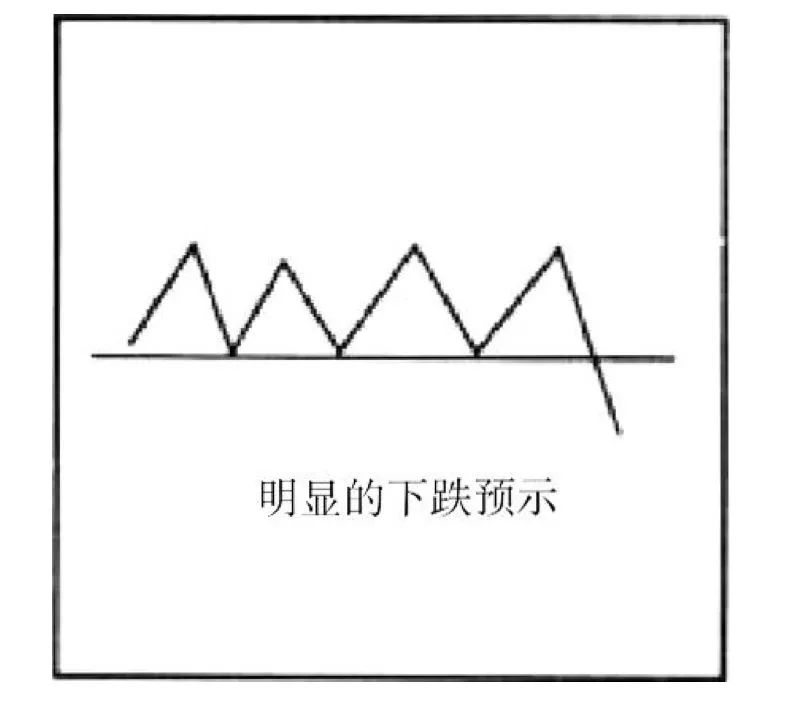
Likewise, the more times a trendline is touched and bounced off, the more important it is.
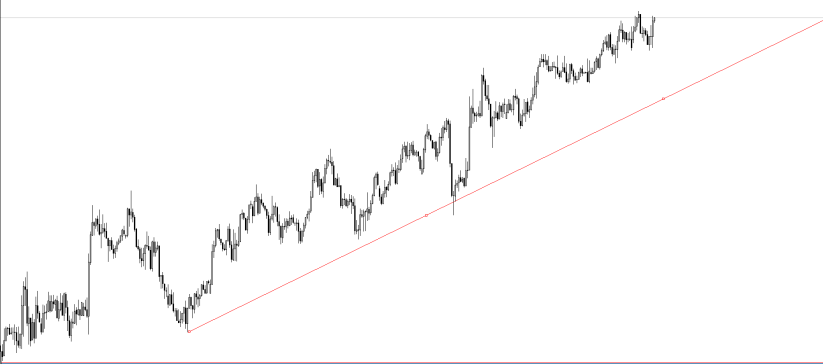
Generally speaking, there are two more operable drawing methods for inclined trend lines:
Method 1: Draw a trend line at the highest or lowest price
Method 2: Draw support and resistance lines at closing or opening prices
Opening and closing methods that can be designed with trend lines:
When a long-term upward trend line is broken, we can short positions with light positions, or close long positions.
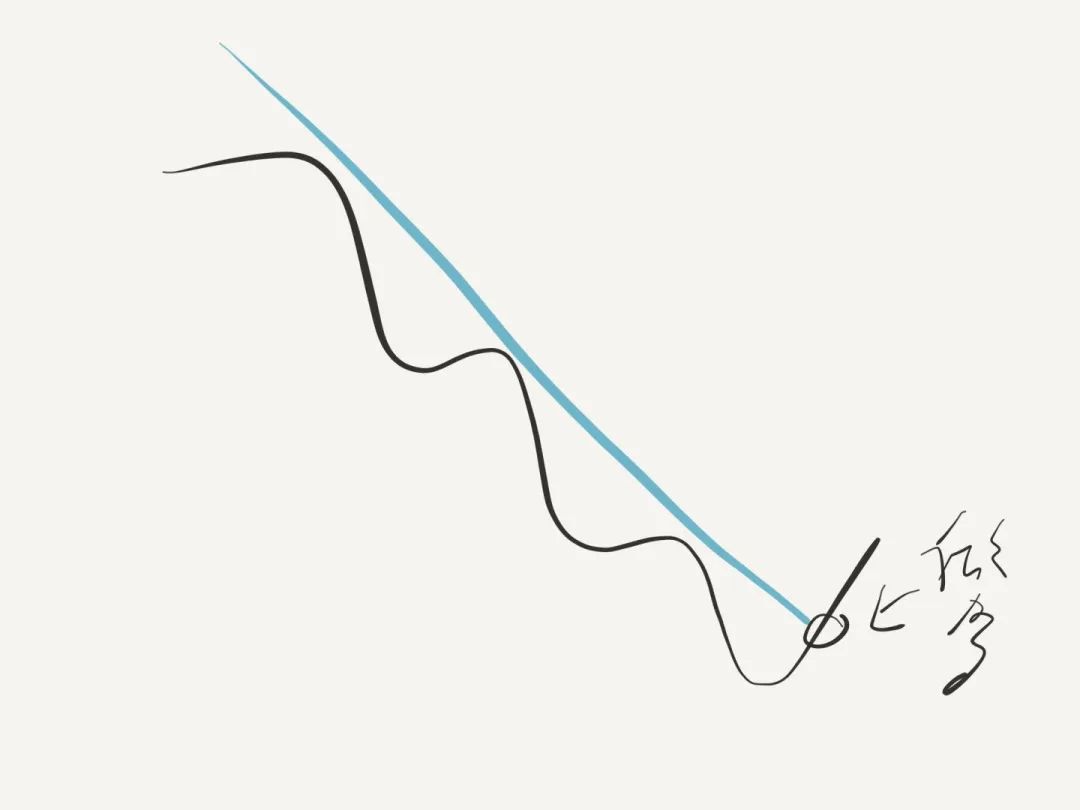
When a long-term downward trend line is broken, we can go long with light positions, or close positions with short positions.
When an upward trend line and an upward 60-day moving average are both broken, we can short positions with light positions, or close positions with long positions.
When a downward trend line and a downward 60-day moving average are both broken, we can go long with a light position, or close a short position.
However, few traders will use the inclined trend line as the core opening and closing rules of the system, because of the following reasons:
1. There are many false signals, you need rules to deal with glitches, which increases the complexity and instability of the system
2. One graph can draw too many trend lines, making it difficult to formulate filtering rules
3. The winning rate of the system is very low, generally less than 40%. The methods of opening positions mentioned above are opening positions against the trend.
4. The side effects of long system retracement and low winning rate
The inclined trend line, like the moving average, is an excellent trend indicator that can help us judge the main trend of the current market price, but it is not an indicator that provides a good trading point.







 Add
Add


