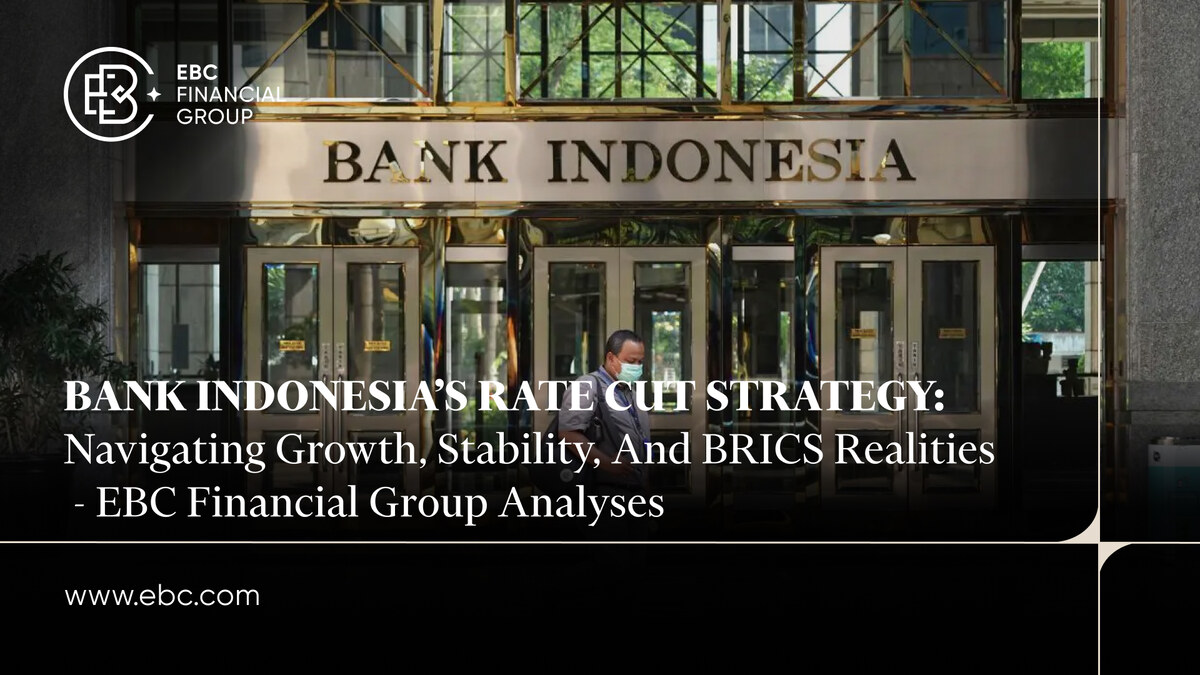
Bank Indonesia’s (BI) latest 25 basis point rate cut to 5.50% is more than a routine monetary move—it is a masterclass in high-stakes economic statesmanship. As Indonesia steps into the global spotlight with its entry into BRICS, the central bank is navigating a complex landscape where domestic growth ambitions, currency stability, and geopolitical realities intersect like never before.
Stimulus vs. Stability: Walking the Tightrope
The decision to cut rates comes as Indonesia’s first-quarter GDP growth slowed to 4.87%, its weakest pace in three years. With global trade uncertainty mounting—especially in light of new US tariffs—BI faces mounting pressure to support President Prabowo Subianto’s pro-growth agenda. Yet, this stimulus cannot come at the expense of macroeconomic stability. Core inflation remains contained at 2.5%, and the rupiah has rebounded 3% from April’s lows, but the currency remains vulnerable to global capital flows and shifting risk sentiment.
By raising the foreign bank ownership cap from 30% to 35%, BI is also signalling a desire to attract more foreign investment, but this too must be balanced against the risk of imported volatility. Every step is watched closely by investors, who are quick to reward—or punish—any perceived miscalculation.
BRICS Membership: Opportunity or New Constraints?
Indonesia’s accession to BRICS adds a new layer of complexity. On one hand, it opens up access to the New Development Bank’s low-cost infrastructure financing and the potential for $150 billion in annual trade with bloc members. This could help ease fiscal pressures and reduce dollar dependency, giving Indonesia more room to manoeuvre.
Yet, BRICS also brings geopolitical baggage. The bloc’s diverse membership and shifting priorities mean that Indonesia must now balance domestic policy with the expectations and risks of deeper integration. As David Barrett, CEO of EBC Financial Group (UK) Ltd, observes, “This is monetary policy as high-stakes economic statesmanship. BI isn’t just setting rates, it’s also navigating a dual transformation: balancing domestic political priorities with global market confidence while walking the BRICS tightrope.”
For Traders and Households: Opportunities and Risks
For traders, Indonesia’s high-wire act creates layered opportunities—whether in currency plays, sector-specific bets, or strategies linked to BRICS-driven infrastructure and trade. The rebound in the rupiah is promising, but its resilience will hinge on BI’s ability to convert BRICS financing into real economic buffers and maintain investor trust.
For ordinary Indonesians, the impacts will be felt through loan rates, import prices, and the broader cost of living. If the rupiah weakens, imported inflation could erode household purchasing power, even as lower rates support borrowing and consumption.
A Blueprint for Emerging Markets?
Indonesia’s policy mix is now a reference point for other emerging economies navigating global divergence. The country’s ability to stimulate growth without sacrificing stability will be closely watched by policymakers from Jakarta to Johannesburg. If successful, BI’s approach could serve as a blueprint for managing external shocks and leveraging new alliances in a multipolar world.
The Road Ahead
As the world’s largest archipelago balances stimulus, stability, and geopolitics, the stakes could not be higher. The coming months will test whether Indonesia can turn BRICS membership into a genuine economic advantage—or whether the risks of integration outweigh the rewards.
For now, Indonesia stands as a litmus test for emerging-market resilience—a nation whose policy choices will echo far beyond its borders as the global order continues to shift.


 يجمع
يجمع


