As the G7 summit convenes in Canada, Japan’s approach to global economic diplomacy is undergoing a fundamental transformation—and the implications for global supply chains and investor confidence are profound. At EBC Financial Group, we believe Japan’s pivot from defensive posturing to proactive, strategic engagement is not just timely, but essential for the stability and resilience of the world’s interconnected markets.
From Crisis Response to Strategic Alignment
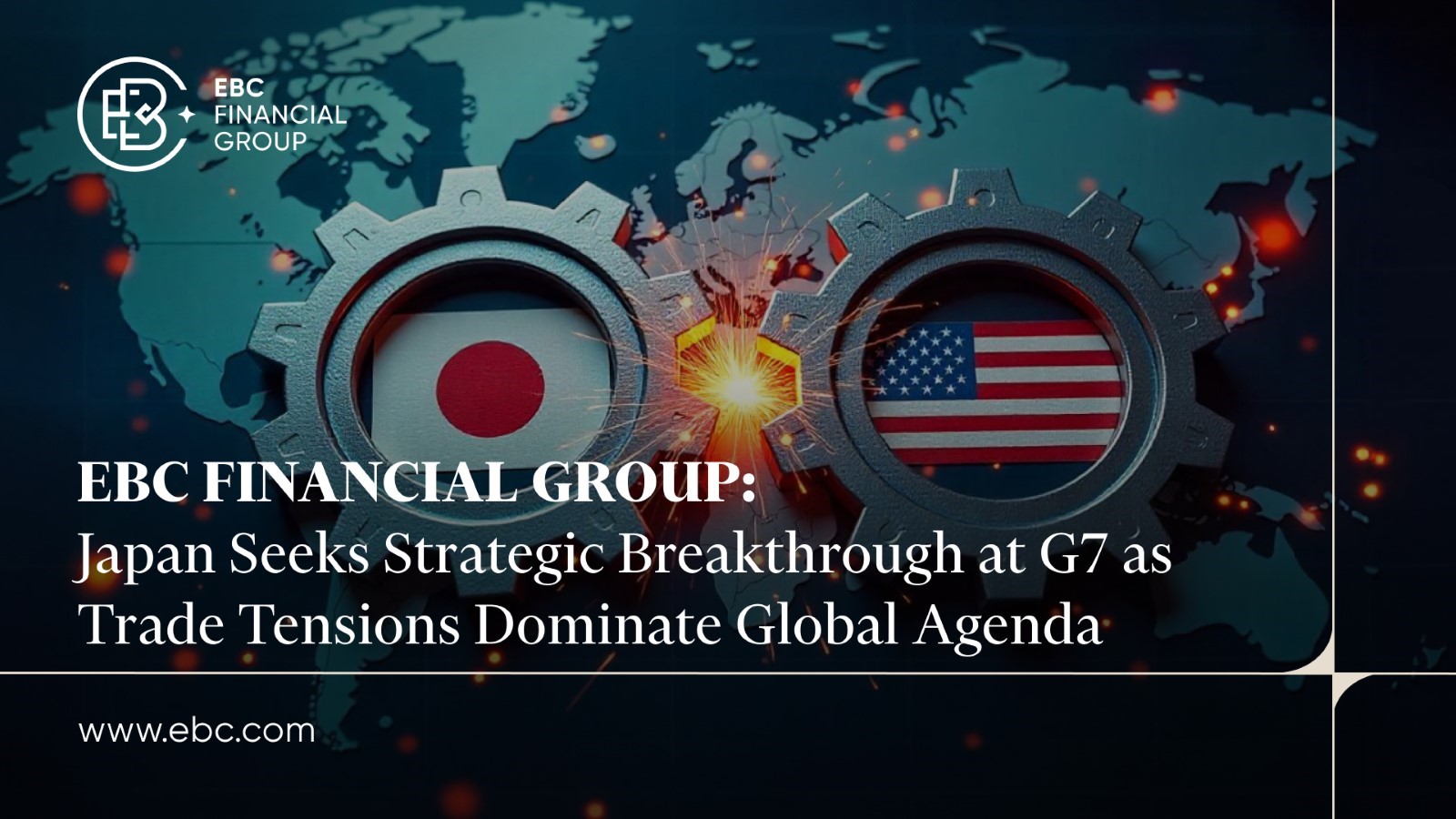
Not long ago, Japan’s leadership described U.S. tariffs—especially the 25% levy on Japanese automobile exports—as a “national crisis.” Today, Prime Minister Shigeru Ishiba and his team have recalibrated, moving from concern to results-oriented negotiation. This shift is not merely rhetorical. By proposing expanded cooperation with the U.S. in shipbuilding, Arctic navigation, and military vessel repair, Japan is reframing trade friction as an opportunity for deeper bilateral alignment and economic interdependence.
This is a significant evolution. Rather than reacting defensively to protectionist pressures, Tokyo is now seeking to convert short-term risks into long-term partnerships. Such a strategy signals to global investors that Japan remains committed to rule-based trade and the stability of global supply chains—an especially vital message as protectionism and fiscal uncertainty rise worldwide.
Why It Matters for Global Supply Chains
Japan’s new diplomatic posture is about more than tariffs. It is about anchoring supply chain security and economic resilience in an era of geopolitical fragmentation. By advocating for cooperation on rare earths, shipbuilding, and infrastructure, Japan is positioning itself as a linchpin in the global effort to diversify and safeguard critical supply lines. This matters not just for Japanese industry, but for multinational companies and investors who depend on predictable, stable trade flows.
At EBC, we see this as a clear signal: investors should look beyond short-term trade headlines and focus on the underlying fundamentals of supply chain diversification and cross-border collaboration. Japan’s willingness to lead on these issues at the G7 sets a benchmark for other economies facing similar pressures.
Domestic Pressures Add Urgency
Japan’s external diplomacy is taking place against a backdrop of mounting internal challenges. Inflation is surging—core consumer prices jumped 3.5% in April, with food costs rising 7% and rice prices nearly doubling year-over-year, the steepest increase in five decades. The Bank of Japan’s policy dilemma is acute: contain inflation while supporting growth in a trade-exposed economy.
Currency markets have responded, with the yen appreciating against the dollar following the inflation report. This volatility underscores the stakes for Japanese policymakers: successful diplomacy abroad must be matched by policy credibility at home.
Investor Confidence Hinges on Results
For global investors, the G7 summit is more than a diplomatic event—it is a test of whether the world’s leading economies can coordinate policy and deliver tangible progress on trade and economic security. Japan’s leadership, both as a key trading partner and as an advocate for stable supply chains, has never been more necessary.
As David Barrett, CEO of EBC Financial Group (UK) Ltd, notes, “Japan’s inflationary backdrop and trade tensions with the U.S. reflect the broader recalibration underway in global economic policy. As Tokyo seeks strategic alignment at the G7, investors should stay focused on long-term fundamentals in an increasingly multipolar economic environment”.
The Bottom Line
Japan’s shift from defensive to strategic economic diplomacy at the G7 is a milestone for the region and the world. It demonstrates that even in an era of heightened uncertainty, countries can choose engagement over isolation, and partnership over protectionism. For investors and supply chain leaders, the message is clear: watch Japan closely—not just for its policy moves, but for the example it sets in navigating the complexities of today’s global economy.


 收藏
收藏


